

Glaucoma and cataracts are two of the leading causes of vision loss in Canada, and they share one dangerous trait. They rarely warn you they're there. No itch. No sting. No blur until damage is already done. By age 65,
1 in 3 BC seniors is affected by a vision-threatening eye condition, and most feel nothing at all in the early stages.
Optometrists are primary healthcare providers trained to detect, diagnose and monitor serious eye disease. A routine eye exam can catch these conditions years before you'd notice a symptom, when there's still time to protect what you can see.
Don't wait for a sign. See your optometrist.
What Are Glaucoma and Cataracts?
Glaucoma is a group of eye diseases that damage the optic nerve, usually caused by fluid pressure building up inside the eye. It slowly steals peripheral vision first, which is why most people don't notice it until significant sight is already gone. It cannot be reversed. It can only be caught and managed.
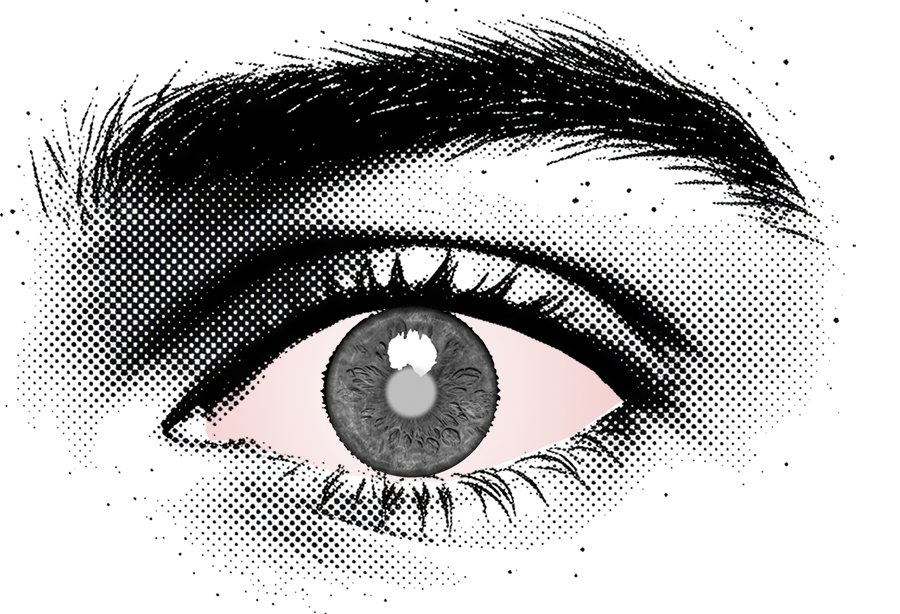
Cataracts are a clouding of the natural lens inside your eye, most often related to age and UV exposure. In BC's high-intensity summer sun, that exposure adds up over a lifetime. Cataracts develop slowly, so the change often feels normal until colours start to dull, glare gets worse and driving at night becomes a problem.
Both are common. Both are manageable when caught early. Both are found through a comprehensive eye exam, not your mirror.
your Eyes Are Saying:
"My Eyes Feel Fine."
Translation: Glaucoma doesn't hurt. Cataracts don't sting. Feeling fine is not the same as being fine. An optometrist looks for what your eyes can't tell you, often years before you'd notice a change.
Your Eyes Are Saying:
"I Can Still See Well Enough to Drive."
Translation: The last thing to go with early cataracts is central daytime vision. Night glare, halos around lights and colours looking a little washed out are the earlier signs. If any of that sounds familiar, it's worth a proper exam.
Your Eyes Are Saying:
"I Just Had an Exam a Few Years Ago."
Translation: After 40, a lot can change quickly. Optometrists recommend an exam every one to two years for adults over 55, because that's the window where glaucoma and cataracts most often show up. A gap of a few years is a gap where damage can happen.
Your Eyes Are Saying:
"Nobody in My Family Has Eye Problems."
Translation: Family history matters, but it isn't the only risk factor. UV exposure, diabetes, high blood pressure and just being over 60 all increase your odds. A BC lifetime outdoors is a risk factor most people never think about.
Your Eyes Are Saying:
"I'll Just Get Reading Glasses."
Translation: Drugstore readers help with age-related focus changes. They do nothing for the pressure building behind your eye or the lens slowly clouding over. Reading glasses aren't a substitute for an exam, they're a substitute for close-up focus.
Your Eyes Are Saying:
"I Don't Want to Know."
Translation: Understandable and completely backwards. Glaucoma and cataracts are two of the most manageable serious eye conditions when caught in time. The scary outcome is the one where you didn't come in.
Why See Your Optometrist?
Optometrists are doctors for your eyes. They detect the diseases your eyes won't warn you about, and they build the plan that protects your sight for the long haul. A comprehensive eye exam measures the pressure inside your eye, examines the optic nerve and the lens, and catches the changes that would otherwise go completely unnoticed until it's too late to reverse them. You've spent a lifetime taking in BC. An exam is how you keep it in focus.

An eye exam is the only way to catch what your eyes won't tell you. Glaucoma and cataracts are both manageable when they're found early. Don't wait for a symptom that may never come.
Find an Eye Doctor
Eye Health Library
Knowledge bank
Eye exams are more than seeing well. They are a vital part of your overall health. Learn about eye exams and the different conditions your Doctor of Optometry can manage.
Latest News
Keep in touch
Catch up with the BC Doctors of Optometry in the news! Latest articles, media appearances, and news releases are collected here for your reference.
Medical Services Plan
(MSP)
In B.C., public health insurance is called the Medical Services Plan (MSP). It can cover or partially cover the cost of medically- necessary insured doctor services.